Meal Planning Made Simple: Strategies for Stress-Free Healthy Eating
We’ve all had those evenings when dinner sneaks up on us and there’s nothing planned. That’s usually when takeout menus or cereal for dinner start to sound tempting. But with a little bit of meal planning, weeknights can feel less chaotic—and meals more nourishing, affordable, and enjoyable.
Meal planning doesn’t have to mean a full day of cooking or perfectly organized spreadsheets. It simply means having a plan that makes your life easier. Here are some practical strategies to get started.
Why Meal Planning Matters
- Better choices: When meals are planned, it’s easier to avoid last-minute fast food or snacks that don’t satisfy.
- More control: Preparing meals at home means knowing exactly what goes into them.
- Saves money and time: Fewer impulse grocery runs and less wasted food.
Most importantly, there’s no “right” way to meal plan. It’s about finding a system that works for your lifestyle and your family.
Top Three Smart Meal Planning Strategies
Cook Once, Eat Twice
Give meals a little more mileage by preparing extra portions that can be repurposed into something new. Roast chicken one night, and the leftovers can be turned into salads or wraps the next day. Bake extra potatoes, then reheat and top them with chili later in the week. Small intentional extras can save big amounts of time.
Batch Cooking
Some foods are perfect for making in larger batches, freezing, and pulling out when needed. Chili, soups, stews, and meatballs are great examples. Having a few freezer-friendly meals ready to go makes busy nights feel much less overwhelming.
Prep Ahead (Mise en Place)
Sometimes it’s the chopping, washing, and measuring that take the longest. Getting those steps done ahead of time makes cooking faster and less stressful. Wash and cut veggies, pre-measure ingredients, or freeze chicken in a marinade so it’s ready to cook as soon as it thaws.
The Meal Planning Process
Choose meals wisely
- Consider your week—plan quicker meals on busy nights.
- Start simple, with only one or two new recipes.
- Try theme nights, like Taco Tuesday or Fish Friday, to simplify decisions.
Grocery shop with a list
- Check what you already have before shopping.
- Keep a master list of staples.
- Consider grocery delivery to save time (and avoid impulse buys).
Cook and adjust
- Get family members involved to lighten the load.
- Prep snacks or ingredients right after shopping.
- Keep notes on meals that were hits to repeat in the future.
Common Roadblocks and Simple Fixes
- Picky eaters? Let everyone customize their own version with tacos, salads, or mini pizzas.
- Feeling overwhelmed? Start small—plan just a couple of meals each week until it feels easier.
- Forgetting to defrost? Set a reminder or keep a few “emergency” options handy, like eggs, sandwiches, or frozen meals.
- Veggies going bad? Try pre-chopped or frozen options to save prep time.
Helpful Tools
- Slow cooker or Instant Pot for hands-off meals
- Rice cooker for easy grains
- A food processor to speed up chopping
- Storage containers for organized leftovers and prep
A Sample One-Week Meal Plan
Here’s a simple example to show how these strategies come together.
Monday – Roast chicken with potatoes and green beans
- Extra chicken saved for Tuesday’s dinner
Tuesday – Chicken salad wraps with side salad
- Easy repurpose from Monday’s leftovers
Wednesday – Turkey chili (make a double batch, freeze half)
- Bake a few extra potatoes to use later
Thursday – Baked potato topped with leftover turkey chili
- Quick and filling dinner
Friday – Fish tacos with slaw (Fish Friday theme)
- Use frozen fish if fresh isn’t available
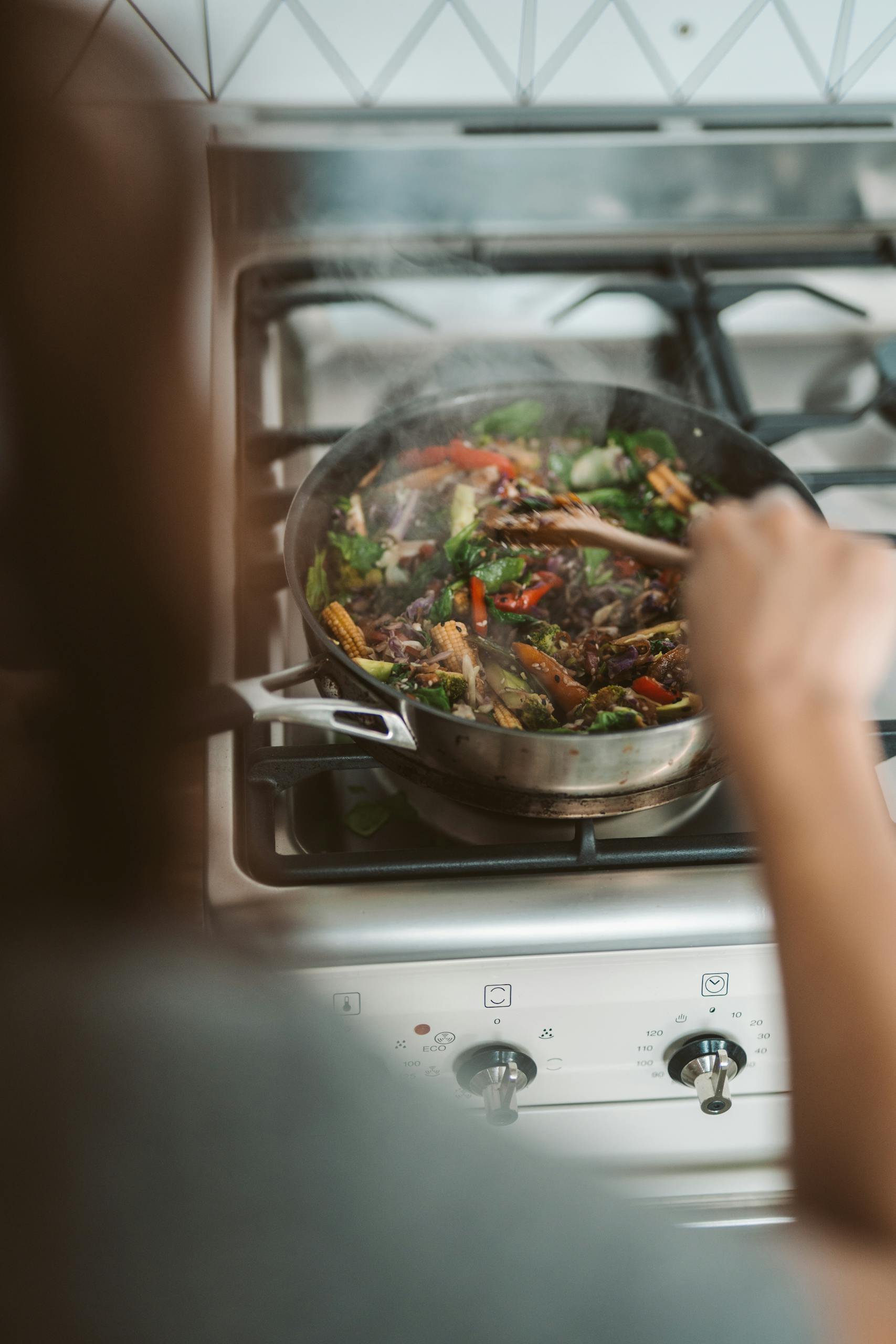
Saturday – Veggie stir-fry with tofu and rice
- Pre-chopped veggies make this quick
Sunday – Slow cooker soup or stew (freeze leftovers)
- Low-effort, big reward
This mix includes fresh meals, leftovers, batch cooking, and freezer-friendly options—all the strategies in action without making the week feel repetitive.
Final Thoughts
Meal planning is less about perfection and more about making life easier. Even small steps—like doubling a recipe or chopping veggies in advance—can make a big difference. Over time, those little habits add up to less stress, more savings, and healthier meals on the table